
Thinking of producing a video for your company? Whether large or small, your video project requires some basic preparation that you'll find very useful to know.
My first piece of advice is to plan ahead. Never underestimate the preparation time that a video production can take.
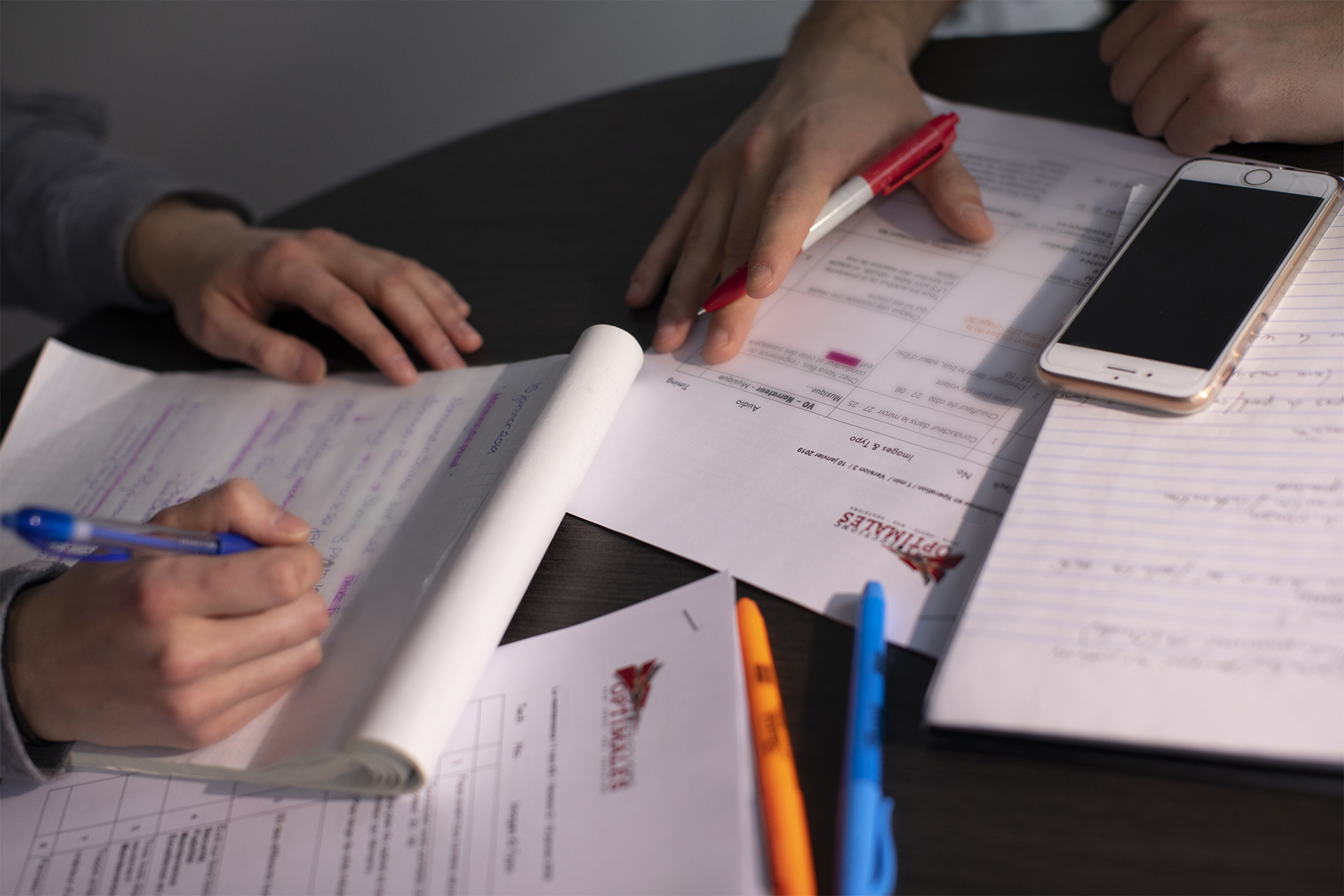
The first meeting
This is a crucial stage in the project process, since it's where everything begins. During the first production meeting, you will express your intentions to the producer. It's a good idea for the producer to be accompanied by the director. In this case, the information will be received from both an organizational and a creative point of view.
In your project intentions, you'll need to give as many details as possible to enable the director to form a viewpoint on a "solution" to suggest. In the jargon, this "solution" is called a "production approach". It's a description of how the video production will be handled, in as much detail as possible. It describes the tone of the music, the narration, the framing of people and objects. It also describes the editing intentions and anticipated rhythm.
For example, if your project is to create a portrait of your company, you need to mention the points that define you and those that set you apart from your competitors. Explain your strengths and the advantages of doing business with you. Remember, the production team doesn't know you in detail. You need to explain everything to them, so that they in turn become good connoisseurs of your material.
Other elements, such as having a graphic charter, can also help develop ideas. Remember that a graphic charter that can be used for flyers, letters, e-mails, press releases and packaging can be adapted for video.
Spotting: anticipating reality
Following this information gathering, the production team will need to "scout" the locations you suggest for the shoot. Location scouting is the inspection of the site. This includes identifying electrical outlets, knowing the capacity of the network and checking the space for set lighting. It also involves anticipating the various shooting angles and the position of the sun over the course of a day, if shooting outdoors.
For more complex shoots, the director may ask for a second location scout to refine his technical layout. A photo shoot is very useful, as it allows you to see if the director perceives the same thing as you do. At the same time, it allows the director to guide his team during the shoot.
The production team will be able to assess the potential or even the possibility of shooting in these locations. It may be that all the suggestions you have made will be accepted as is, or that suggestions will be made because the anticipated environment presents sound problems, for example.
Remember, it's important to have a team of professionals on hand to advise you. Some of the proposed solutions may surprise you and show you a side of the coin you've never seen before.
Technical breakdown: the production bible
Once the director has gathered all the information he needs, he can draw up a technical breakdown. In a commercial video approach, this is a kind of script that takes the form of a multi-column table. The way in which it is presented can vary from one director to another, as each uses it to slip in technical information specific to the future production. It's a kind of blueprint and production guide, to be used during shooting and, in many cases, editing and mixing.
The technical breakdown is also used for customer approval before the next stages of production. By reading it, you'll be able to validate the narration text, and see what the making of your video will look like in detail. Once you and the director have reached an agreement, the director will use the technical breakdown to draw up a shooting plan and schedule.
As you can see, the quality of the technical breakdown and the information it contains influence the smooth running of the other two major stages in video production.
Everything is now in place for the shoot!
Discover the 2nd stage of production in this article.